Author: Albert Amekudzi

  • Renewing Gold Fields’ Tarkwa Lease

    Renewing Gold Fields’ Tarkwa Lease

    Why Ghana Must Choose Strategic Negotiation Over Emotional Retaliation

    Recent calls by some public commentators, civil society leaders, politicians, and policy advocates for the Government of Ghana to refuse renewal of Gold Fields’ Tarkwa Mine lease have sparked an important national conversation. The concerns driving these calls, particularly the reports of xenophobic attacks against foreign nationals, including Ghanaians, in South Africa, are understandable. Every Ghanaian should condemn such attacks in the strongest possible terms. No individual should be targeted because of nationality, race, ethnicity, or origin.

    However, while public anger may be justified, the decisions of governments concerning investment, mining leases, and economic development cannot be driven by emotions. They must be based on facts, evidence, national interest, and long-term economic strategy.

    The issue before Ghana is therefore not whether xenophobia is wrong—it unquestionably is. The real question is whether refusing to renew Gold Fields’ lease at Tarkwa would serve Ghana’s economic interests and development objectives. The evidence suggests that it would not.

    Business Decisions Must Be Grounded in Facts

    Throughout the world, governments routinely separate diplomatic disagreements from investment decisions. Countries that attract sustainable investment do so because investors have confidence that contracts, licences, and leases will be administered based on law, policy, and commercial realities rather than political sentiments.

    If Ghana were to deny lease renewal solely because a company originates from a country where some citizens have engaged in unacceptable conduct, it would send troubling signals to the international investment community. Investors seek jurisdictions where regulatory decisions are predictable, transparent, and based on objective criteria.

    Ghana has built a strong reputation over decades as one of Africa’s most stable and investor-friendly mining destinations. That reputation should not be jeopardized by actions that may be perceived as punitive rather than commercially justified.

    Gold Fields Has Made Significant Long-Term Investments

    Any objective assessment of Gold Fields’ operations at Tarkwa must acknowledge the substantial investments the company has made over the years.

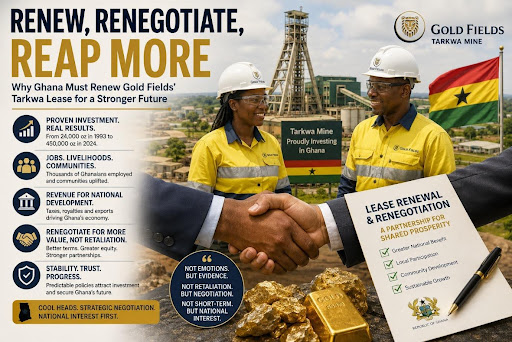
    When Gold Fields assumed responsibility for the mine in the early 1990s, annual production was approximately 24,000 ounces of gold. Through sustained investment in exploration, mine development, technology, infrastructure, environmental management, and human capital, production has increased dramatically to approximately 450,000 ounces annually.

    Such growth does not occur by accident.

    It reflects billions of dollars in cumulative investment, decades of technical expertise, continuous reinvestment, and a willingness to take long-term operational risks. The mine’s current productivity is the result of years of capital expenditure and strategic planning.

    Those advocating the non-renewal of the lease must answer an important question: would the Tarkwa Mine be at its current scale, efficiency, and production level without these investments?

    The answer is likely no.

    Ghana Has Benefited Significantly

    Beyond gold production, Gold Fields has contributed substantially to Ghana’s economy through taxes, royalties, employment, procurement, infrastructure development, community investments, and foreign exchange earnings.

    Thousands of Ghanaians are directly and indirectly employed through the company’s operations. Local contractors, suppliers, transporters, service providers, and communities depend on the economic activity generated by the mine.

    The mining sector remains one of Ghana’s largest sources of export revenue and foreign exchange. In an environment where the country continues to face fiscal pressures, balance-of-payment challenges, and a need for investment capital, decisions affecting major mining operations must be approached with extreme caution.

    The closure, disruption, or uncertainty surrounding a major operation such as Tarkwa could have consequences extending far beyond the mining sector.

    Lease Renewal Does Not Mean Accepting the Status Quo

    Supporting lease renewal should not be confused with accepting the existing arrangements without question.

    Indeed, the upcoming lease renewal presents an important opportunity for Ghana to negotiate a better deal.

    The government has every right—and indeed a responsibility—to pursue terms that maximize national benefits. This could include:

    • Increased state participation where commercially viable.
    • Enhanced opportunities for Ghanaian private investors.
    • Stronger local content commitments.
    • Expanded employment and skills development programmes.
    • Greater support for local suppliers and contractors.
    • Increased investment in host communities.
    • Improved environmental and mine closure provisions.
    • Stronger commitments to value addition and downstream processing.

    The objective should be to secure a larger share of the benefits while maintaining investor confidence.

    This is how mature resource-rich countries approach negotiations. They seek better terms through dialogue and commercial engagement, not through actions that undermine investment certainty.

    National Interest Requires Strategic Thinking

    Natural resource governance is most effective when decisions are guided by long-term national interests rather than short-term political pressures.

    A refusal to renew the lease without compelling operational, legal, environmental, or economic reasons could expose Ghana to unnecessary risks. It could trigger investor concerns, affect future mining investments, and create uncertainty about the country’s commitment to predictable business rules.

    Conversely, a well-negotiated renewal could achieve multiple objectives simultaneously:

    • Protect jobs.
    • Sustain production.
    • Maintain export earnings.
    • Increase Ghanaian participation.
    • Improve government revenues.
    • Preserve Ghana’s investment reputation.

    Such an outcome would represent a win-win solution for both Ghana and investors.

    The Xenophobia Issue Must Be Addressed Through Appropriate Channels

    The xenophobic attacks against Ghanaians and other foreign nationals in South Africa deserve strong condemnation and firm diplomatic engagement.

    The Government of Ghana should continue to engage South African authorities through diplomatic channels, regional institutions, and bilateral mechanisms to ensure the protection of Ghanaians living and working abroad.

    However, it would be a mistake to conflate the actions of criminal elements or extremist groups with the operations of a company that has invested in Ghana for decades and complied with the country’s regulatory framework.

    The appropriate response to xenophobia is diplomacy, law enforcement, and international cooperation—not economic retaliation against a company whose operations have contributed significantly to Ghana’s development.

    A Time for Calm and Responsible Leadership

    Public debate is healthy and necessary in any democracy. Citizens have every right to demand greater benefits from Ghana’s natural resources and greater accountability from mining companies.

    Yet leadership requires balancing public sentiment with economic reality.

    The challenge before government is not whether Gold Fields should continue operating under exactly the same terms. The challenge is how Ghana can leverage the lease renewal process to secure greater national benefits while maintaining the confidence of investors and preserving economic stability.

    Cool heads must therefore prevail.

    The Government of Ghana should approach the renewal of Gold Fields’ Tarkwa lease with firmness, strategic vision, and a commitment to maximizing national value. It should negotiate hard, insist on improved terms where justified, and ensure that Ghana receives a fair share of the benefits generated by its mineral resources.

    What it should not do is allow emotion to substitute for sound economic judgment.

    In matters of national development, wisdom lies not in retaliation, but in negotiation; not in symbolism, but in securing outcomes that advance the long-term interests of the Ghanaian people.
  • Before We Nationalize Our Resources, Can We Manage What We Already Own?

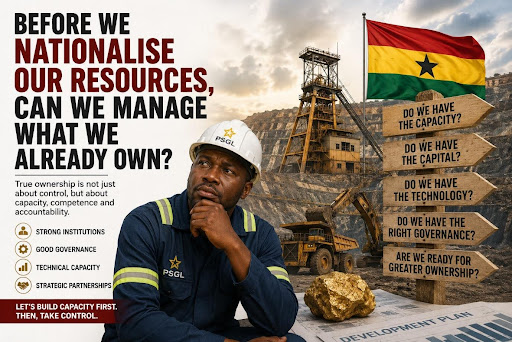
    Before We Nationalize Our Resources, Can We Manage What We Already Own?

    Across Ghana today, a growing chorus of voices is calling for greater national control over the country’s natural resources. Think tanks such as the Institute of Economic Affairs (IEA), policy commentators, civil society organisations and sections of the public have questioned whether Ghana is receiving a fair share of the benefits from its mineral wealth.

    Some have argued that government should not renew the Gold Fields Tarkwa lease when it expires in 2027. Others have called for Ghanaians to take control of the “commanding heights” of the mining sector. Still others have advocated various forms of resource nationalism, insisting that Ghana must own and directly operate a larger share of its mineral assets.

    These arguments are not without merit. After more than a century of mining, it is understandable that many citizens are asking difficult questions. Why do mining communities remain underdeveloped despite enormous mineral wealth? Why does Ghana continue to export raw resources while importing finished products? Why are local participation and ownership still limited in key sectors of the economy?

    These are legitimate concerns that deserve serious national discussion. However, before we rush toward resource nationalisation, there is an equally important question we must ask ourselves: Have we demonstrated the capacity to effectively manage the mining assets we already own? This question may be uncomfortable, but it is necessary.

    The recent announcement that state-owned Prestea Sankofa Gold Limited (PSGL) has secured a strategic partnership with China’s Guangzhou Hozdo Group provides an opportunity for reflection.

    PSGL is not a private foreign-owned company. It is a state-owned mining enterprise under the Ghana National Petroleum Corporation (GNPC). Yet despite operating in one of the world’s most attractive gold jurisdictions, the company has struggled with operational challenges, aging equipment, financial constraints, production setbacks and infrastructure deficiencies.

    According to recent reports, the company has gone months without production and now requires external financial, technical and equipment support to revive operations and position itself for future growth. Yet we have the men to run the mining industry.

    There is no shame in seeking strategic partnerships. In fact, partnerships are often necessary for growth and sustainability. The more important question is this: If we are struggling to successfully operate and expand a state-owned mine today, what gives us confidence that we can suddenly manage a much larger portfolio of nationalised mining assets tomorrow?

    This is not an argument against Ghanaian ownership. It is an argument for realism. History offers valuable lessons.

    In the 1980s and early 1990s, Ghana owned and controlled a significant number of state enterprises across mining, manufacturing, transportation, agriculture, banking and other sectors. Many of these enterprises were established with noble intentions to promote national development, create jobs and ensure local control of strategic assets.

    Unfortunately, many eventually collapsed under the weight of political interference, weak governance structures, inefficiency, inadequate capitalisation and poor management practices.

    The result was a wave of divestitures, restructurings and privatisations. The lesson is not that state ownership is inherently bad. Nor is the lesson that foreign investment is inherently good. The lesson is that ownership alone does not create value.

    Competence does. Governance does. Accountability does. Technology does. Capital does. And management does.

    Countries that have successfully leveraged their natural resources have not merely focused on ownership. They have focused on building institutions.

    Norway’s success in petroleum did not begin with nationalisation. It began with institution-building, regulatory excellence, technical capacity development and long-term strategic planning.

    Botswana’s success in diamonds was not simply about ownership. It was about disciplined governance, prudent management and strong partnerships that gradually increased national participation.

    Even Saudi Arabia’s success with Aramco was built on decades of technical capacity transfer, knowledge acquisition and institutional development.

    In every successful case, capacity preceded control. Which Ghana is already working. Ghana must learn from these examples. Rather than reducing the national conversation to whether a lease should or should not be renewed, we should be asking broader questions.

    Do we have access to the billions of dollars required for mine development, expansion and exploration? Do we have governance structures strong enough to insulate state-owned enterprises from political cycles? Do we have the technology to operate the various ore bodies in Ghana? Can Ghanaians alone mine all the gold reserve in Ghana? Do we have the managerial discipline necessary to compete in a highly sophisticated global mining industry? Do we have a clear national blueprint for increasing Ghanaian ownership and participation over the next twenty years?

    Unfortunately, the answer to many of these questions remains uncertain. This is where the conversation needs to evolve. Instead of focusing exclusively on nationalisation, Ghana should focus on creating a comprehensive national resource ownership strategy.

    Such a strategy should include Building Strong State-Owned Enterprises. Prestea Sankofa Gold Limited should become a national laboratory for excellence in mining management. Its success or failure will provide valuable lessons for future state participation in the sector.

    Expanding Ghanaian Equity Participation: Government should explore mechanisms that allow pension funds, insurance companies, mutual funds and ordinary citizens to acquire stakes in mining assets through transparent public investment structures.

    Strengthening Local Content: The real economic benefits of mining often extend beyond ownership of the mine itself. Ghanaian companies should build factories in Ghana to meet the mining input demand and not just import products or fronting for foreigners as has been the case mostly.

    Continue Developing Technical Capacity: Universities, technical institutions and mining companies should collaborate to produce world-class mining engineers, geologists, metallurgists, environmental scientists and mining executives.

    Establishing a Sovereign Resource Investment Framework: Rather than focusing solely on ownership of individual mines, Ghana should strategically invest mining revenues into productive sectors that generate long-term economic diversification.

    Improving Governance: State participation without strong governance will only create new problems. Transparency, accountability and professional management must be non-negotiable.

    The ultimate goal should not be nationalisation for its own sake. The goal should be national prosperity. If greater state ownership contributes to prosperity, then it should be pursued. If strategic partnerships deliver better outcomes, they should also be considered. If hybrid ownership structures provide the optimal balance, they should not be dismissed.

    What matters is not ideology. What matters is results. Ghana’s mineral resources belong to the people of Ghana. That principle is already established under our Constitution. The challenge before us is not simply who owns the resources on paper. The challenge is who can create the greatest value from those resources for current and future generations.

    Before we demand control of larger assets, we must demonstrate excellence in managing the assets already under our control. Before we seek to take over the commanding heights of the economy, we must build the institutions capable of governing those heights effectively. And before we embrace resource nationalism as a solution, we must first develop a credible blueprint for success.

    Otherwise, we risk replacing one set of frustrations with another. The debate Ghana needs is therefore not simply about ownership. It is about capacity. It is about governance. It is about technology. It is about strategy. And ultimately, it is about whether we are prepared to transform our natural resource wealth into lasting national prosperity. That is the conversation worth having.

  • Beyond Prison Feeding Budgets

    Beyond Prison Feeding Budgets

    Turning a National Challenge into a Food Security Opportunity

    The recent disclosure by the Minister for the Interior, Muntaka Mohammed-Mubarak, that Ghana spends approximately GHC40 million annually on feeding prison inmates has reignited discussions about the sustainability of funding public institutions. The Minister’s revelation that prison feeding alone costs about GHC10 million every quarter, coupled with his observation that the current allocation remains woefully inadequate, highlights a challenge that extends beyond the walls of the country’s correctional facilities.

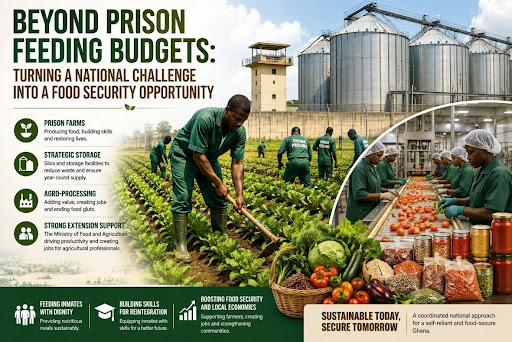
    While government deserves commendation for increasing the daily feeding allocation for inmates from GHC1.80 to GHC5, the reality remains that GHC5 is insufficient to provide three nutritious meals for an adult. The challenge therefore should not be viewed merely as a budgetary issue requiring increased allocations every year. Rather, it presents an opportunity for Ghana to adopt a long-term, self-sustaining strategy that addresses prison feeding, food security, job creation, and agricultural development simultaneously.

    A New Vision for Prison Agriculture

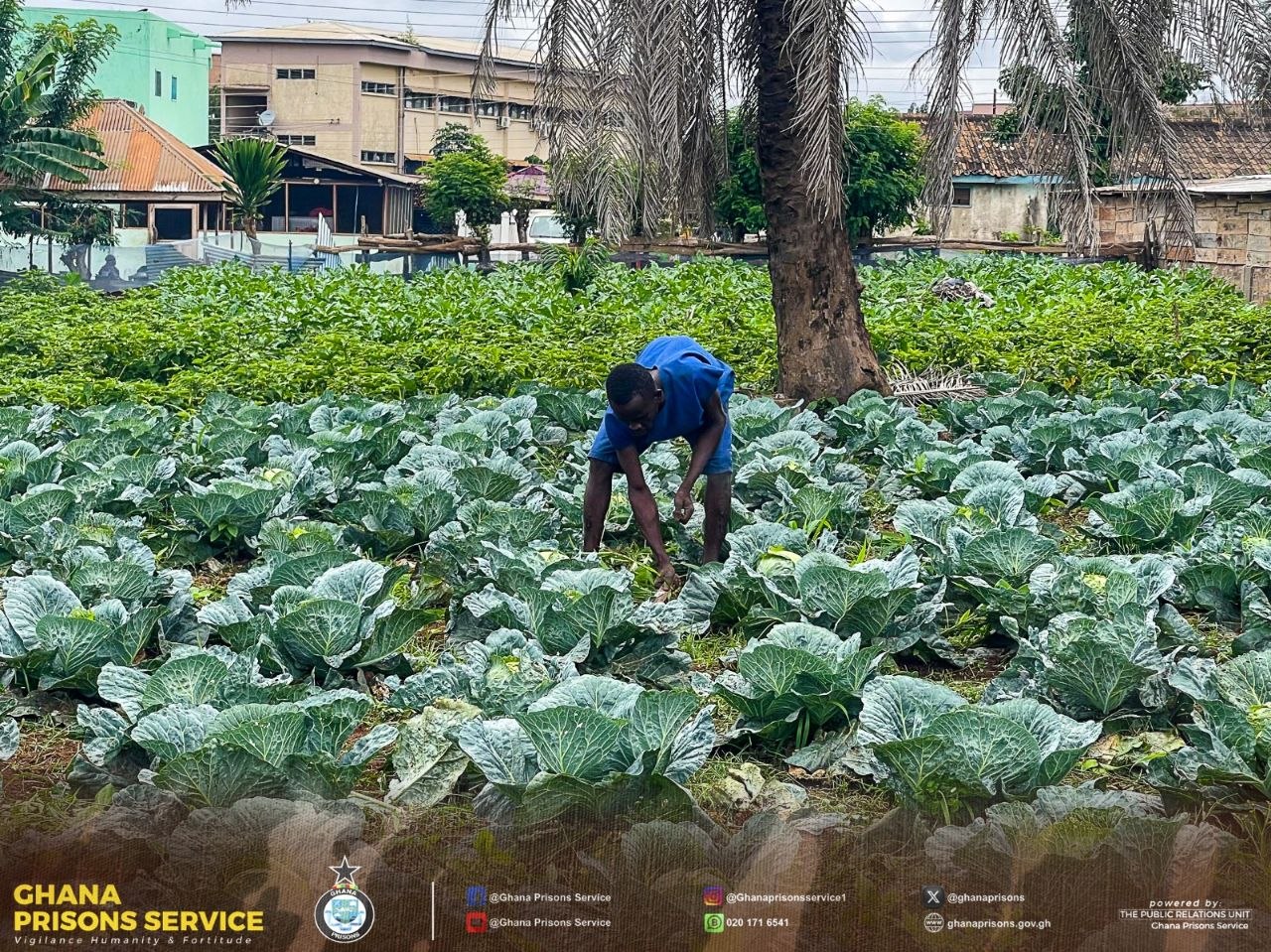
    One practical and sustainable solution would be for government to direct all Metropolitan, Municipal, and District Assemblies (MMDAs) to allocate suitable lands within their jurisdictions to the Ghana Prisons Service for agricultural production. These lands could be dedicated to the cultivation of staple crops such as maize, rice, cassava, yam, vegetables, and legumes, while also supporting livestock, poultry, and fish farming projects.

    This approach is not new. Around the world, prison farms have been used successfully to provide food for correctional facilities while equipping inmates with valuable vocational and agricultural skills. In Ghana, a well-structured prison farming programme could significantly reduce the recurrent cost of feeding inmates while contributing meaningfully to rehabilitation and reintegration efforts.

    Beyond producing food, such initiatives would instill discipline, provide practical skills training, and prepare inmates for productive lives after their release. Instead of being viewed solely as a cost centre, the prison system could become a contributor to national food production.

    Strengthening Food Storage Through Strategic Silos

    Agricultural production alone, however, is not enough. Ghana continues to lose substantial quantities of food annually due to inadequate storage infrastructure. Farmers often experience bumper harvests only to suffer significant post-harvest losses because they lack proper storage facilities.

    To address this challenge, government should invest in the construction of modern silos and storage centres across the country. Food produced on prison farms and by surrounding communities could be stored safely for use throughout the year, reducing waste and ensuring a consistent supply of food to prisons and our public schools under the school feeding programme.

    A strategic food reserve system would not only stabilize supplies but also reduce dependence on emergency purchases during periods of scarcity and rising food prices.

    Investing in Agro-Processing to Eliminate Food Gluts

    In the medium to long term, government should complement production and storage efforts by establishing joint ventures companies with multinationals for agro-processing facilities in major agricultural zones. Every year, farmers lose substantial income because excess produce cannot be processed and preserved.

    Tomatoes, fruits, vegetables, cassava, maize, and other crops often go to waste during peak harvest seasons due to limited processing capacity. By investing in processing plants, government can transform surplus produce into products with longer shelf lives, including canned foods, fruit concentrates, dried vegetables, starches, and animal feed.

    Such investments would reduce food gluts, increase farmers’ incomes, create employment opportunities, and ensure a reliable food supply for prisons, schools, hospitals, military barracks, and other state institutions.

    The Critical Role of the Ministry of Food and Agriculture

    For this ambitious vision to succeed, the Ministry of Food and Agriculture (MoFA) must play a central coordinating role. The success of prison agriculture will depend on technical expertise, modern farming practices, and continuous supervision.

    The Ministry should deploy Agricultural Extension Officers to work closely with prison authorities across the country. These officers would provide professional support in areas such as crop selection, soil management, climate-smart agriculture, irrigation systems, pest and disease control, livestock production, and post-harvest management.

    Their expertise would help maximize productivity and ensure that prison farms operate as viable agricultural enterprises rather than symbolic projects.

    More importantly, this initiative presents a significant opportunity for job creation. Every year, universities, agricultural colleges, and technical institutions produce graduates with specialized agricultural knowledge who struggle to secure employment. Expanding extension services to support prison farms, district agricultural projects, storage facilities, and processing plants would create new opportunities for agricultural professionals across the country.

    This would not only strengthen Ghana’s agricultural extension system but also help bridge the gap between academic training and practical application. Agricultural officers attached to prison farms could also serve as resource persons for nearby farming communities, helping disseminate best practices and modern technologies to local farmers.

    A National Development Strategy

    The benefits of such a policy would extend far beyond the Ghana Prisons Service. A coordinated system linking agricultural production, storage, processing, and institutional consumption could support school feeding programmes, hospitals, security services, and other public institutions.

    Increased food production would strengthen rural economies, create jobs, reduce food inflation, enhance food security, and lessen Ghana’s dependence on imported food products. It would also support government efforts to promote youth employment and modernize the agricultural sector.

    Most importantly, it would transform what is currently a recurring expenditure into a productive national investment.

    Conclusion

    The debate about prison feeding should not focus solely on increasing budgetary allocations. While adequate funding remains important, Ghana must embrace innovative and sustainable solutions that address the root causes of food insecurity and rising institutional feeding costs.

    By directing district assemblies to provide land for prison agriculture, investing in modern storage facilities, developing agro-processing industries, and strengthening agricultural extension services through the Ministry of Food and Agriculture, government can create a self-sustaining system that benefits inmates, farmers, agricultural professionals, and the nation as a whole.

    This proposal offers a rare opportunity to tackle several national challenges simultaneously: reducing the cost of feeding public institutions, creating jobs for agricultural professionals, minimizing post-harvest losses, boosting domestic food production, and strengthening national food security.

    The question before policymakers is therefore not whether Ghana can afford to pursue such a strategy, but whether Ghana can afford not to.

  • Beyond Gold

    Beyond Gold

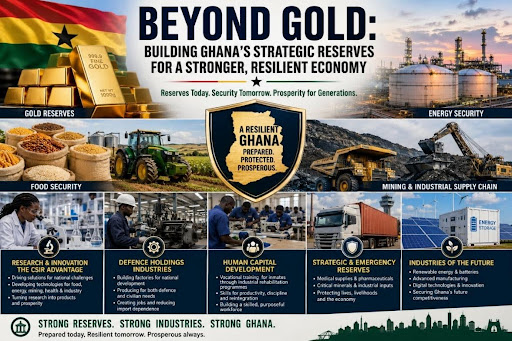
    Why Ghana Must Build Strategic National Reserves for the Next Global Crisis

    The world is entering an era where crises are no longer exceptions; they are becoming the norm. The Russia-Ukraine war exposed vulnerabilities in global food, fertilizer, energy, and supply chains. The ongoing tensions and military confrontations involving Iran have once again demonstrated how quickly global energy markets can be disrupted. The COVID-19 pandemic revealed the fragility of international logistics systems. Climate change continues to threaten food production and water security across continents.

    For countries like Ghana that basically depend heavily on imports and global supply chains, every geopolitical shock quickly becomes an economic shock. Ghana is not immune. While Ghana has rightly embarked on the Ghana Accelerated National Reserve Accumulation Policy (GANRAP), aimed at building significant gold reserves, the country must recognize that national resilience cannot be built on gold reserves alone.

    Gold reserves provide monetary stability. However, they do not feed citizens during food shortages. They do not fuel industries during energy disruptions. They do not supply critical mining equipment when international supply chains collapse. The time has come for Ghana to think beyond traditional economic management and adopt a comprehensive National Strategic Reserve Framework that protects the country against future global shocks.

    The New Global Reality: Strategic Reserves Are the New National Insurance

    Many countries have learned hard lessons from recent crises. The United States maintains one of the world’s largest Strategic Petroleum Reserves. China has built massive stockpiles of grain, rare earth minerals, fuel, and industrial inputs. India maintains strategic food reserves capable of supporting hundreds of millions of people. Saudi Arabia, the UAE, Singapore, and South Korea have invested heavily in strategic storage and domestic industrial capabilities. These countries understand a simple principle: National resilience is not built during a crisis. It is built before a crisis. Countries that wait until supply chains break down are often forced to pay exorbitant prices, borrow heavily, or suffer severe economic disruptions. Ghana cannot afford bending its knees always in times of crisis.

    Gold Reserves Are Necessary but Not Sufficient

    The decision to accumulate gold reserves is commendable. Gold strengthens confidence in the national currency, improves foreign reserve positions, and provides a hedge against global financial instability.

    However, if a global conflict disrupts food imports, fertilizer supplies, petroleum shipments, pharmaceutical supplies, or mining equipment procurement, gold alone will not solve those challenges. A resilient economy requires reserves across multiple strategic sectors.

    Building a National Strategic Reserve Architecture

    Ghana should consider establishing five interconnected strategic reserve pillars.

    • National Food Security Reserve

    Food security is national security. Ghana should establish modern strategic grain reserves capable of sustaining the population during prolonged supply disruptions. These reserves should include Maize, Rice, Sorghum, Millet, Soybeans, and Vegetable oils. We have enough land, technology and water to do this. We can have the Ministries of Food and Agriculture, Environment, Science and Technology and Interior collaborate to get this started based on research and science. Storage facilities should be modernized using advanced preservation technologies to minimize losses. Additionally, strategic fertilizer reserves should be maintained to support domestic food production during global supply disruptions. The objective should be clear: No Ghanaian should face food insecurity because of a war occurring thousands of kilometers away.

    • Strategic Energy Reserve

    Energy remains the lifeblood of modern economies. Despite Ghana’s growing oil and gas sector, the country remains exposed to international price volatility and supply disruptions. Ghana should establish strategic petroleum reserves, diesel reserves, aviation fuel reserves, LPG reserves and emergency gas storage systems. A reserve target of six to twelve months for critical fuel products would significantly enhance national resilience. Not the five to six weeks reserve we were told when the US-Israel-Iran war started in February. Simultaneously, investments in renewable energy storage technologies should be accelerated. The future strategic reserve is not only fuel in tanks but also electricity stored in batteries.

    • Mining and Industrial Supply Chain Reserve

    Mining contributes significantly to Ghana’s export earnings and fiscal revenues. Yet many critical mining inputs are imported. A disruption in global logistics could affect explosives, industrial chemicals, drilling equipment, heavy machinery parts, conveyor systems and electrical components. Ghana should work with mining companies to establish strategic in-country factories and stockpiles of critical mining inputs. This would ensure continuity of operations even during major international disruptions. The same principle should apply to other strategic industries, including manufacturing, telecommunications, healthcare, and transportation.

    • National Critical Minerals and Industrial Metals Reserve

    As the global energy transition accelerates, critical minerals are becoming strategic assets. Ghana possesses significant mineral resources, including Gold, manganese, bauxite, lithium and iron ore prospects. Rather than exporting all production immediately, Ghana should consider retaining portions of strategic minerals as national reserves. Countries that control critical minerals will increasingly shape the future global economy. The next generation of economic power may not be determined solely by oil reserves but also by control over battery minerals, industrial metals, and rare earth supply chains.

    • Strategic Medical and Emergency Reserve

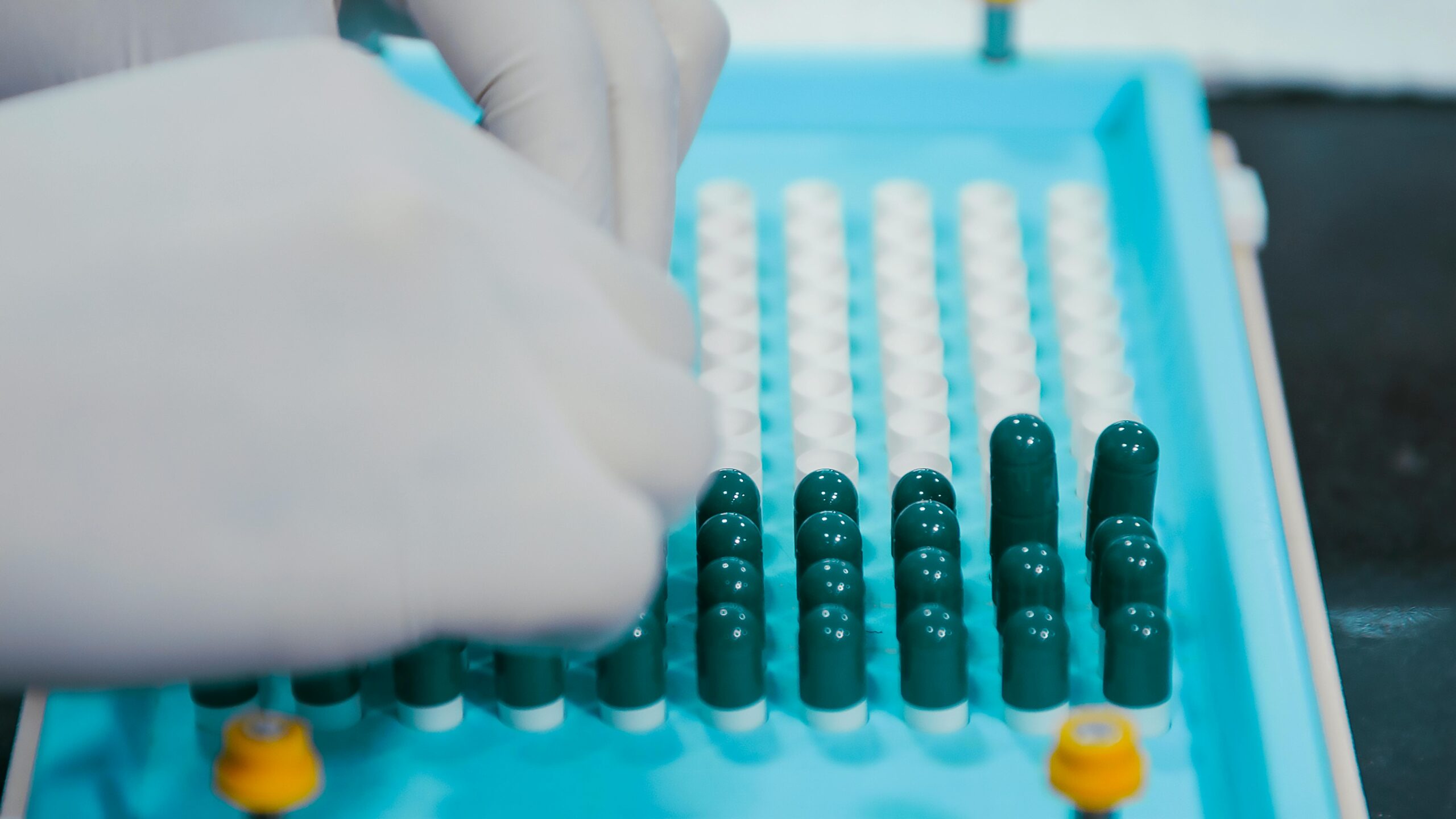
    The COVID-19 pandemic exposed severe weaknesses in global medical supply chains. Ghana should maintain strategic reserves of essential medicines, vaccines as well as strengthen the Centre for Scientific Research into Plant Medicine, personal protective equipment, emergency medical equipment and water treatment chemicals. Every crisis eventually becomes a public health challenge. Prepared nations save lives and reduce economic losses. Let’s build a strong pharmaceutical industry based on plant medicine which we are all know. Let’s have a national policy and strategic target for medical and emergency reserve. It will save us all whether we are NDC or NPP because medical emergency does not know who NDC is or NPP. Let’s work for our greater good and not leap service to our nation and political parties.

    Reviving Defence Holdings as a Strategic Industrial Engine

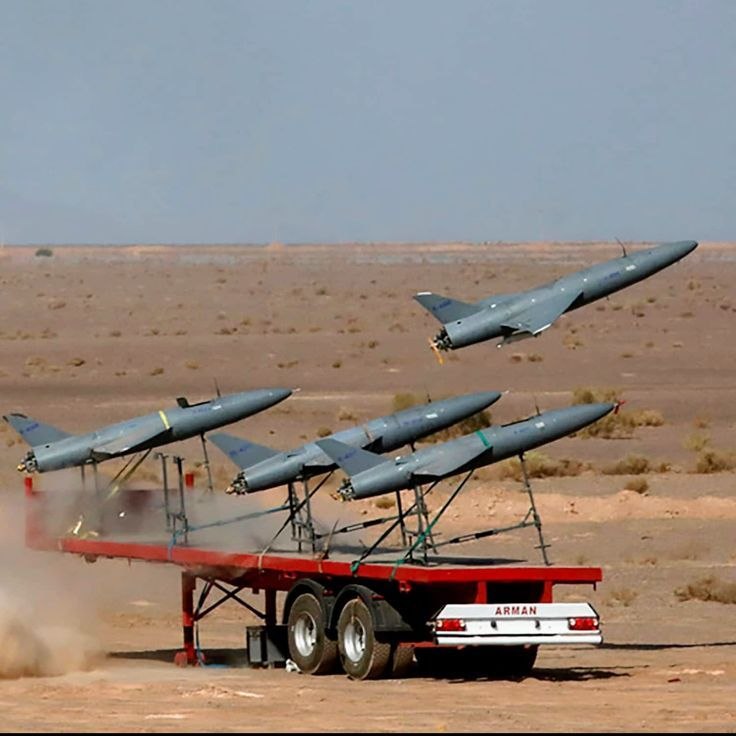
    Perhaps the most transformative opportunity lies in rebuilding and modernizing the Ghana Armed Forces’ Defence Industries Holding structure. Historically, military-linked industries around the world have often served as catalysts for industrial development. Examples include South Korea, Israel, Turkey, Singapore, Iran and China. In these countries, defence-linked industries became centers for innovation, manufacturing, engineering, and technology development. Ghana should consider establishing Defence Holdings factories focused on Agricultural Equipment Manufacturing for tractors, irrigation systems, harvesting equipment and farm implements. Industrial Fabrication for steel products, mechanical components and industrial machinery. Energy Technologies for solar systems, battery assembly and power storage solutions. Advanced Manufacturing for drones which can be learnt from Iran, robotics, sensors and communication systems. Strategic Logistics for vehicle assembly, fleet maintenance and emergency transport systems.

    These industries would serve both civilian and defence purposes while creating jobs, transferring technology, and reducing import dependence.

    Building the Industries of the Future

    The next global economic competition will not be won by countries that simply export raw materials. It will be won by countries that master strategic technologies. Ghana should identify and invest in future industries such as Artificial Intelligence, drone technology, advanced materials, battery manufacturing, semiconductor assembly, cybersecurity, defence technologies and renewable energy systems.

    A dedicated Strategic Industries Development Fund could be established using portions of mineral revenues, sovereign wealth resources, and public-private partnerships.

    Financing the Strategic Reserve Agenda

    The immediate question is obvious: How will Ghana pay for all this? The answer lies in a phased approach. Funding sources could include mineral royalties, sovereign wealth mechanisms, gold reserve-backed financing, public-private partnerships, pension fund investments, infrastructure bonds and development finance institutions. At least Ghana is not under any sanction like Iran so we should be able to do this and not just keep talking as we always do. Strategic reserves should be viewed not as expenditures but as national insurance policies. Countries willingly pay insurance premiums because they understand the cost of being unprepared. The same principle applies to national resilience.

    A New National Vision

    For decades, economic discussions in Ghana have focused on growth. Growth is important. However, the future belongs to countries that combine growth with resilience. The most successful nations of the twenty-first century will not necessarily be those that avoid crises. They will be those that are best prepared for them. The Ghana Accelerated National Reserve Accumulation Policy is an important first step. But the next phase must be broader and more ambitious. Ghana must build food reserves. Ghana must build energy reserves. Ghana must build industrial reserves. Ghana must build strategic technologies. Ghana must build future industries. Above all, Ghana must build national resilience.

    The question is no longer whether another global crisis will occur. The question is whether Ghana will be prepared when it does. History suggests that nations which prepare during periods of relative stability emerge stronger from periods of uncertainty. The time to prepare is now.

  • Mining, Ownership and Development

    Mining, Ownership and Development

    The Questions We Must Honestly Ask Ourselves

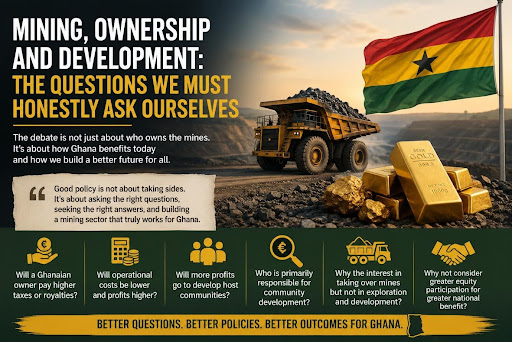
    Like many Ghanaians, I understand and appreciate the emotions driving the current debate about the future of our mining industry. When people look at our gold wealth and still see struggling communities, poor roads, unemployment, and underdevelopment, it is natural to ask whether Ghana is truly benefiting enough from its resources.

    The concerns raised by the Institute of Economic Affairs (IEA) therefore deserve attention. We should absolutely have a national conversation about how mining can deliver more value to our people. But as we have this discussion, we must also be careful not to oversimplify a very complex issue.

    The question is not simply whether a mine should be foreign-owned or Ghanaian-owned. The more important question is: what exactly changes for the ordinary Ghanaian if ownership changes?

    If tomorrow a Ghanaian company takes over a mine like Tarkwa, does that automatically mean the company will pay more taxes than the current operator? Will it voluntarily pay higher royalties to government? Will it reduce its operational costs and somehow make mining cheaper? Will it spend more of its profits on community development while still satisfying banks, investors, lenders, and shareholders? These are not political questions. They are business realities.

    Whether a mining company is Ghanaian-owned, South African-owned, Canadian-owned, or Australian-owned, the economics of mining do not change. Mining companies are businesses. They must raise capital, manage costs, pay workers, satisfy investors, and remain profitable to survive.

    In fact, if the national objective is for Ghana to derive greater long-term financial benefit from its mineral resources, then another important question arises: why shouldn’t government consider increasing equity participation in mining operations instead of focusing primarily on taking over mines or rejecting lease renewals?

    Equity participation allows the State to directly share in the upside of profitable mining operations through dividends and capital appreciation, while still preserving investment stability and attracting technical expertise and financing. If government believes certain mines are exceptionally profitable and strategic, then negotiated equity participation may provide a more practical and sustainable pathway to increasing national benefit than creating uncertainty around security of tenure.

    This is how many successful resource-rich countries balance sovereignty with investment competitiveness.

    That is why simply changing ownership does not automatically solve the development problem. And this brings us to another important question we often avoid asking honestly: who is primarily responsible for developing our communities?

    Should mining companies support local development? Absolutely. And many already do. The Gold Fields Ghana Foundation, for example, has reportedly invested almost US$110 million into roads, schools, health facilities, agriculture, water systems, and youth programmes in its host communities over the years.

    At the same time, the mining companies operating in Tarkwa reportedly paid about GHS5.1 billion in taxes in 2024 alone. So, we must also ask: after government collects these revenues, how much actually goes back into the mining communities?

    If roads are poor, hospitals are inadequate, and communities remain underdeveloped, can we place the entire responsibility on mining companies while central government retains most of the royalties and tax revenues in Accra? This is where the conversation becomes uncomfortable, but necessary.

    The development of communities is fundamentally the responsibility of the State. Private companies can complement development. They cannot replace government.

    Another difficult question we must ask ourselves is this: why are many people interested in taking over mines that have already been explored, developed, financed, and made profitable, but there is far less enthusiasm for investing in exploration itself?

    Mining starts long before production. Companies spend years sometimes decades searching for minerals, conducting geological studies, undertaking environmental assessments, building infrastructure, and raising billions of dollars in financing before a mine even becomes operational. Many exploration projects fail entirely and never become mines.

    So, if we truly want greater Ghanaian participation in mining, shouldn’t we also be encouraging Ghanaian investment in exploration and mine development from the beginning, instead of waiting until someone else has already taken the risk?

    This is not an argument against Ghanaian ownership. Far from it. Every Ghanaian should want to see strong local mining companies competing globally. And thankfully, we are beginning to see that happen gradually.

    But sustainable Ghanaian participation cannot be built on the perception that Ghana changes the rules once investors have already committed capital under existing laws. That approach may create short-term political excitement, but it could also damage investor confidence and make it harder not easier for both foreign and Ghanaian companies to raise long-term financing in the future.

    We must also remember our own history. Ghana experimented with heavy state control of mining in the past, and the results were declining production, inefficiency, underinvestment, and eventually the collapse of much of the sector. That history does not mean we should reject reform. But it should remind us that ownership alone is not a magic solution.

    Countries that have successfully benefited from mining including Botswana, Canada, Australia, and Chile did not do so simply by excluding foreign participation. They succeeded because they built strong institutions, stable policies, transparent governance systems, and competitive investment environments.

    At the end of the day, this debate should not become a contest between patriotism and investment. We can pursue greater Ghanaian participation while still maintaining policy stability and attracting capital.

    The real questions we should be asking are:

    • How do we ensure more mineral revenues reach mining communities?
    • How do we improve accountability in how royalties are used?
    • How do we help Ghanaian companies invest from exploration to production?
    • How do we create long-term mining policies that survive politics and governments?
    • How do we use mining to genuinely transform local economies?

    Those are the questions that will determine whether our mineral wealth truly benefits future generations. Because in the end, the issue is not just who owns the mine. The issue is whether the system itself works for Ghana.

  • Beneficial Ownership

    Beneficial Ownership

    Maximising the Benefits of Mining Beyond Ownership

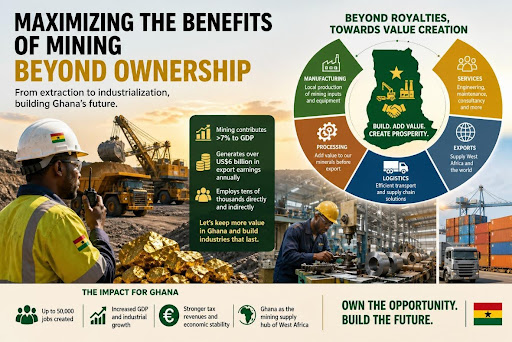
    For over a century, mining has been one of Ghana’s economic heavyweights. It contributes over 7% to GDP, brings in more than US$6 billion in export earnings every year, and keeps thousands of people employed, directly and indirectly.

    On paper, that sounds like a success story. But if we’re being honest, it also feels like we’ve been sitting on a gold mine and still somehow checking our pockets to see where the money went. Because despite all these impressive numbers, the full developmental potential of mining in Ghana is still not being fully realised.

    Ownership Is Good… But It’s Not the Whole Story

    Lately, there’s been a lot of discussion about increasing Ghana’s ownership in mining companies. And yes, ownership matters, it gives control, influence, and a share of profits.

    But here’s the thing: ownership alone won’t industrialise Ghana. Dividends go up and down with gold prices. Equity returns depend on company performance. Some years are good, some years, not so much.

    So, if we rely only on ownership, we’re basically saying, “We’ll wait and see how the market behaves.” And as we all know, the market has a personality of its own, it doesn’t always send prior notice. The real opportunity lies beyond ownership—in what we build around mining.

    Follow the Money—It’s Already There

    Every year, mining companies in Ghana spend about US$2.5 billion on goods and services from machinery and chemicals to safety gear and maintenance.

    Now here’s the painful part: a large chunk of that money goes abroad. In simple terms, we dig the gold here then send money out to buy what we need to dig more gold. If Ghana could produce even 40% of these inputs locally, we could retain around US$1 billion every year.

    That’s not small change; that’s serious economic power. And interestingly, that amount could exceed what we might gain from tweaking royalties or increasing minority ownership stakes.

    So maybe the real question is not “Who owns the mine?” But rather, “Who supplies the mine?”

    Let’s Move Beyond Supplying Lunch and Transport

    Ghana already has over 400 local suppliers supporting the mining sector. That’s encouraging. But many of them are concentrated in logistics and distribution important, yes, but not where the biggest value lies. The next step is clear: we must move into manufacturing, engineering, and technical services.

    Because that’s where the real money is, real skills are built, and the real jobs are created. It’s the difference between delivering equipment and actually producing it.

    Policy Alignment: Everyone Must Row in the Same Direction

    Here’s where things get serious. Mining alone cannot drive industrialisation. Trade policy, investment strategy, and industrial planning all need to be aligned. In simple terms, the Ministry of Trade, Agribusiness and Industry, Ghana Investment Promotion Centre, Minerals Commission, and industry players must stop working like separate WhatsApp groups and start operating like one coordinated team.

    That means incentives for local manufacturing, guaranteed markets through mining companies, industrial zones built near mining areas like Tarkwa and Obuasi and deliberate efforts to attract investors into mining-related industries.

    Because without coordination, we risk having policies that look good on paper but don’t deliver much in practice.

    Let’s Talk About Real Opportunities Not Just Ideas

    The opportunities in mining-linked industries are not abstract; they are practical and achievable. Some of these are equipment manufacturing such as fabricating drill rods, bolts, and spare parts locally. Chemical Production such as producing inputs like cyanide and ammonium nitrate instead of importing everything and lubricants and Oils. Others include protective Gear: Supplying boots, uniforms, and safety equipment (and yes, maybe finally making PPE that fits properly) as well as Engineering Services: Building strong local fabrication and maintenance clusters. These are not just industries they are job creators, skill builders, and export opportunities.

    Ghana as a Regional Mining Supply Hub

    Here’s where it gets even more interesting. West Africa imports about US$10 billion worth of mining inputs every year. If Ghana captures just 10% of that market, that’s US$1 billion in exports. Think about that for a second, we could move from just exporting minerals to exporting the tools and services that power mining across the region. That’s a completely different level of economic positioning.

    What Could This Mean for Ghana?

    If done right, the impact could be transformational: up to 50,000 jobs created; increased GDP contribution from mining-linked industries; more stable and diversified tax revenues and stronger regional trade and influence.

    In other words, mining stops being just an extractive sector and becomes a development engine.

    It’s Not Just About Who Owns the Gold

    The future of mining in Ghana is not just about ownership percentages or royalty rates. It’s about what the economy builds because of mining. Because at the end of the day, gold in the ground is valuable, gold in export is useful but industries built around gold? That’s transformational. So yes, ownership matters. But if we stop there, we’re leaving too much on the table. And frankly, for a country blessed with so many resources, leaving value on the table is one thing we can no longer afford to do.

  • Ghana Learn from Iran

    Ghana Learn from Iran

    Ghana Can’t Keep Catching Every Global Cold – It’s Time to Build Its Own Immunity

    Ghana has a habit many of us can relate to having plenty of potential but still depending on others when things get tough. The country is blessed with gold, cocoa, oil, diamond, manganese, weather to name a few and a relatively stable political environment yet every time there’s a global crisis, the economy seems to catch a cold.

    COVID-19 came, and everything slowed down. The Russia–Ukraine war followed, and suddenly fuel and food prices shot up. Now tensions in the Middle East are making global markets jittery again. It’s almost like Ghana is seated in a cinema watching a movie it didn’t pay for but still feeling every punch, explosion, and plot twist.

    The “We’ll Import It” Mindset

    For years, Ghana has leaned heavily on imports of fuel, machinery, finished goods, even basic household items and industrial inputs. It’s a bit like owning a farm but buying your food from the market every day. Convenient? Yes. Sustainable? Not really. Meanwhile, some countries didn’t have that luxury. Take Iran.

    Now, whatever one’s political views, there’s no denying one thing: Iran has had to survive under pressure. Decades of sanctions didn’t give it the option of saying, “Let’s just import it.” Instead, it had to build things itself steel industries, pharmaceuticals, universities, and yes, a surprisingly advanced defence sector.

    They didn’t necessarily choose self-reliance. They were forced into it. But in that pressure, they adapted. Ghana, on the other hand, still has the chance to choose it.

    From Galamsey to “High-Tech Sey”

    Let’s bring it home—illegal mining, or galamsey. I know some drones have already been deployed by the Minerals Commission, but. This isn’t just a rural nuisance anymore. It’s a full-blown national headache. Rivers are turning brown, forests are disappearing, and enforcement teams sometimes look like they’re playing hide-and-seek with people who clearly aren’t hiding very well.

    And then there’s the uncomfortable truth we don’t say loudly enough: in some cases, politicians and local leaders have become both the arsonists and the firefighters at the same time publicly condemning galamsey while quietly enabling or benefiting from it behind the scenes. That contradiction is part of why the fight feels like running in circles.

    We’ve tried task forces. We’ve tried bans. We’ve tried burning excavators, which, frankly, feels like setting your own TV on fire because of bad programming. Yet the problem persists.

    Now imagine this: instead of chasing illegal miners on foot, Ghana deploys drones quietly flying over hotspots, capturing real-time footage, identifying activity patterns, and guiding targeted interventions. No drama, no guesswork.

    Iran, interestingly, has become known for developing relatively low-cost but effective drone technology. Not the Hollywood kind, but practical, adaptable systems used for surveillance and monitoring.

    And let’s be honest if drones can keep tabs on complex battle zones, they can probably handle a few excavators in a forest.

    Security: Better Early Than “Sorry”

    Ghana has long been seen as an island of peace in a rough neighbourhood. But that neighbourhood is getting noisier.

    Terrorist activity in parts of the Sahel is creeping closer. Burkina Faso isn’t that far away. And as we all know, trouble doesn’t usually send a formal invitation before arriving.

    The reality is simple: Ghana needs to strengthen its security not because something has happened, but because something could.

    Here again, technology matters. Surveillance drones, intelligence systems, rapid-response capabilities, these are no longer luxuries. They’re essentials.

    Iran’s defence approach, shaped by years of external threats, focuses less on size and more on smart, flexible systems. That’s something a country like Ghana, with limited resources but big responsibilities, can learn from.

    It’s Not About Picking Sides

    Now, before anyone starts imagining dramatic geopolitical headlines, let’s be clear: engaging Iran doesn’t mean Ghana is suddenly switching teams like a football transfer window surprise. This is not about East versus West. It’s about Ghana doing what works for Ghana.

    Countries all over the world quietly learn from each other, technology here, strategy there, expertise somewhere else. The smartest nations are not the loudest; they’re the most practical.

    If Iran has figured out how to build industries under pressure, why not study that?
    If they’ve developed cost-effective drone systems, why not explore that? It’s called learning, not loyalty.

    The Bigger Picture: Building Our Own Strength

    At the heart of this conversation is something deeper than defence or diplomacy. It’s about mindset. Do we continue reacting to global events, or do we start preparing for them?
    Do we keep importing solutions, or do we begin building them?

    Iran’s story, complicated as it is, offers one key lesson: when you don’t have the option to depend on others, you figure things out. Ghana doesn’t need to wait until it’s forced into that position.

    A Little Courage Goes a Long Way

    Engaging Iran carefully, strategically, and transparently could open doors in defence technology, industrial development, and technical education. Not as a silver bullet, but as part of a broader effort to stand on our own feet. Because at the end of the day, Ghana’s biggest challenge isn’t a lack of resources. It’s the gap between what we have and what we choose to do with it.

    And maybe, just maybe, it’s time we stopped watching the global movie passively and started writing a bit more of our own script.


  • From Aid to Autonomy

    From Aid to Autonomy

    Why Ghana Must Build Self-Reliance Through Health, Research, and Mining-Led Industrialisation

    Ghana’s reported decision to walk away from a proposed United States funding arrangement allegedly tied to access to citizens’ personal data has sparked an important national conversation. Beyond the headlines and geopolitics, it brings us back to a simple but uncomfortable truth: Ghana still leans heavily on others to fund some of its most critical needs.

    And while there’s nothing inherently wrong with partnerships after all, even the strongest households borrow sugar from neighbours once in a while, problems arise when you can’t cook a full meal without knocking on someone’s door.

    This moment, therefore, should not just be about what Ghana rejected, but about what Ghana must now build.

    Health: From “Help Us” to “We’ve Got This”

    For years, donor support has helped Ghana fight diseases like malaria, HIV/AIDS, and tuberculosis. That support has saved lives, no question about it. But it has also created a system where, if the tap is turned off, we suddenly start scrambling for buckets.

    Ghana has something many countries envy: a deep well of traditional medicine and plant-based knowledge. From herbal remedies our grandparents trusted to modern research institutions, the foundation is already there. What’s missing is scale, investment, and seriousness.

    Government must move beyond rhetoric and properly resource institutions like the Centre for Scientific Research into Plant Medicine. Imagine a future where medicines developed from Ghanaian plants are not only treating Ghanaians but being exported globally. That’s not wishful thinking, that’s strategy.

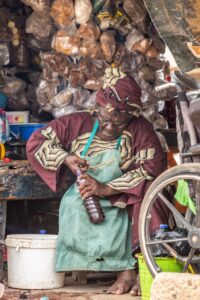
    And let’s be honest, we already believe in these remedies. Half of us have been “forced” to drink bitters at some point in our lives. The only difference now should be scientific validation, standardisation, and packaging that doesn’t look like it was bottled in someone’s kitchen at dawn.

    Research and Strategy: Stop Guessing, Start Knowing

    Beyond plant medicine, there’s a broader need for Ghana to invest seriously in research institutions like the Council for Scientific and Industrial Research (CSIR). Development cannot be based on vibes and assumptions.

    If Ghana wants to make smart decisions about agriculture, industry, climate, health, and even mining, then research must sit at the centre of policymaking, not as an afterthought.

    CSIR and similar bodies should be empowered, funded, and directly integrated into national planning. When government is making decisions about what crops to prioritise, what industries to build, or how to respond to environmental challenges, it should be backed by Ghanaian data, Ghanaian scientists, and Ghanaian insight.

    Because let’s face it, if you don’t invest in your own knowledge systems, you’ll always end up importing someone else’s conclusions and sometimes their mistakes too.

    Defense: Independence Is Not Just Political

    Ghana is often praised as a beacon of stability in West Africa and rightly so. But stability should not lead to complacency. With rising insecurity in the region, from the Sahel downwards, Ghana cannot afford to depend excessively on external military support.

    Self-reliance in defense doesn’t mean becoming isolated or hostile. It means building the capacity to protect your own borders, manage your own intelligence, and respond to your own threats, on your own terms.

    Investing in local defense capabilities, technology, and training is not just about security, it’s about dignity. Because sovereignty is not only about flying your own flag; it’s about being able to defend it without waiting for permission or assistance.

    Manufacturing: The Real Game Changer

    If Ghana truly wants to break the cycle of dependency, manufacturing is where the real battle will be won or lost.

    Right now, Ghana exports raw materials and imports finished goods. In simple terms, we sell cheap and buy expensive. It’s a cycle that keeps economies stuck.

    Industrialisation must move from policy speeches to practical execution. Initiatives like “One District, One Factory” and “24 Hour Economy” are a good start, but they need consistent support, reliable power, access to finance, and most importantly markets.

    But here’s the critical point Ghana must not miss: its industrialisation drive should be anchored on mining, one of the most resilient and established sectors of the economy.

    Mining has consistently been a backbone of Ghana’s economy, generating foreign exchange, government revenue, and employment even in turbulent global times. The mistake has been stopping at extraction.

    Imagine if Ghana processed more of its cocoa locally, produced its own pharmaceuticals, assembled its own machinery, and scaled up agro-processing. That’s jobs. That’s revenue. That’s independence.

    Because at the end of the day, no country has ever become truly self-reliant by exporting raw materials and importing finished dreams.

    Rethinking Aid: Partnership, Not Pressure

    The issue of personal data in the reported US deal highlights something bigger: the world is changing, and so is the nature of aid. It’s no longer just about money, it’s about influence, access, and sometimes control.

    Ghana must continue to engage globally, but from a position of clarity and confidence. Partnerships should be mutually beneficial not arrangements where one side feels pressured into compromising core values.

    Data, in particular, is the new gold. And as a country that already produces actual gold, Ghana should understand the importance of protecting valuable resources.

    The Road Ahead

    Self-reliance is not built overnight. It requires discipline, investment, and perhaps most importantly, consistency. Governments must prioritise long-term national interest over short-term political convenience.

    This means:

    • Funding research institutions like CSIR and the Centre for Scientific Research into Plant Medicine
    • Building strong local industries
    • Investing in education and skills development
    • Supporting innovation and entrepreneurship
    • And ensuring that policies are implemented, not just announced

    Ghana has the resources, the talent, and the potential. What it needs now is the will to fully trust in its own capacity.

    Because at some point, every nation must decide: will we always wait to be helped, or will we finally build the strength to help ourselves?

    And maybe, just maybe, the next time a big deal comes knocking, Ghana won’t have to think twice.

  • Unlocking Industrial Growth

    Unlocking Industrial Growth

    Why Ghana’s Mining Industry Should Anchor Local Tyre Manufacturing Factory

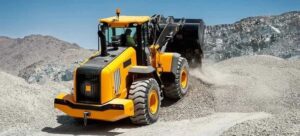
    Ghana’s mining industry, a cornerstone of the national economy, annually spends well over $100 million on the procurement of heavy-duty tyres essential for operating haul trucks, excavators, bulldozers, and other industrial machinery. These purchases form part of mining companies’ local procurement commitments under the Local Content Policy of the Minerals Commission. However, a critical oversight persists although these tyres are procured through local suppliers or intermediaries, they are still entirely imported sourced from manufacturers in China, South Africa, India, and Europe. This model, while technically compliant, results in a massive capital flight and does little to build the industrial base Ghana truly needs.

    To unlock sustainable economic growth and industrial resilience, Ghana must rethink what constitutes genuine local content. The country has a unique opportunity to move from import-dependent transactions to value-added domestic production by establishing a local manufacturing facility for heavy-duty mining tyres. Anchored by the mining sector as a guaranteed off taker, such a factory would not only ensure supply security but also drive backward linkages into rubber farming, engineering, logistics, and job creation.

    This article argues that the mining industry, with its consistent and high-value tyre demand, should become the anchor client for a domestic tyre manufacturing plant. Doing so will redefine local content from merely buying “through Ghanaians” to building in Ghana, a critical shift if the country is to industrialize meaningfully and retain wealth within its borders.


    A Built-In Market for Locally Made Tyres

    With over 100,000 heavy-duty tyres needed annually across Ghana’s gold, bauxite, and manganese mines, the demand base is clear. Mining companies such as Newmont, Gold Fields, AngloGold Ashanti, Golden Star Wassa, Asante Gold Corporation among others and Ghana Bauxite Company all rely heavily on large-scale equipment, each with constant tyre replacement needs due to the harsh operational environments.

    The mining sector alone can provide a guaranteed demand that justifies the establishment of a tyre factory. Additionally, other sectors such as construction, ports, cement, and logistics would further boost market demand, ensuring year-round production capacity is met and sustained.

    Government Must Lead with Policy and Purpose

    To catalyze such a project, the Government of Ghana must take the lead, not just through funding or facilitation, but through strong policy direction and industrial coordination. This includes mandatory local procurement policies, incentives for compliance, and penalties for non-compliance.

    First and foremost, the government can engage all mining companies and large industrial firms a defined timeline (e.g., 3–5 years) to source their tyres exclusively from the local factory, once it is operational and meets international quality standards. This aligns with Ghana’s existing Local Content Policy in the mining sector and creates immediate demand assurance for investors.

    Secondly, firms that comply could benefit from tax rebates or import duty exemptions on spare parts, priority in accessing mining licenses or renewals and public recognition and ESG incentives.

    Third but not the least, companies that continue to import tyres beyond the transition period without a valid exemption could face increased duties or non-deductibility of such costs for tax purposes.

    Through the Industrial Development Support, the government can integrate this project into national industrial policies such as One District, One Factory (1D1F) targeting mining communities and the host communities for this factory. Other policies that could be considered are the Ghana Automotive Development Policy and the Ghana Industrial Transformation Agenda.

    These frameworks already exist to promote local production and can be tailored to support a strategic sector like tyre manufacturing.


    Economic Impact of a Local Tyre Factory

    Establishing a mining tyre factory in Ghana would unlock wide-ranging benefits such as over 500 direct jobs made up of factory workers, engineers, technicians and administrators. Additionally, this can unlock over 1,500 indirect jobs through rubber farming, logistics, and maintenance.

    Further, this factory can boost rubber farming. The factory would stimulate demand for natural rubber, encouraging investment in plantations in Western, Ashanti, and Central regions. Building this factory must ensure that deliberate efforts are made toward sustainable source of raw material. This can create opportunities for plantations farmers in Western, Ashanti, and Central regions.

    It is important to note that this factory, if established would be a source of additional tax revenue for government. An estimate of USD15 to $25 million annually from corporate taxes, VAT, payroll taxes, and supply chain duties.

    Also, this factory will greatly impact import substitution and forex savings. This is through reducing tyre imports by up to $100 million annually and enhancing Ghana’s trade balance and forex reserves.

    Beyond the shores of Ghana is the regional export potential of the factory. Neighbouring countries such as Burkina Faso, Cote d’Ivoire and Mali are all into and would need such supplies. Through the African Continental Free Trade Area (AfCFTA), Ghana-made tyres could serve mining and construction sectors across West Africa.

    Strategic Timing for National Self-Reliance

    The recent disruptions in global trade such as COVID-19 and the Russian-Ukraine war, US Tariff war as well as the increasing costs of logistics have exposed the vulnerabilities of over-dependence on imports. Ghana has the raw materials, affordable labour, and demand base to support tyre manufacturing. With deliberate planning, this industry can thrive within two to three years from inception. All it takes is the right mix of political will, policy direction, and private sector partnership.

    Ghana Must Build This

    A mining tyre manufacturing factory is more than a plant, it’s a symbol of Ghana’s transition from a resource-exporting country to an industrialized economy. With the mining industry as an anchor client and the government as a policy driver, this factory can become a landmark of self-reliance, economic transformation, and African industrial leadership.

    The time to build is now.

    By Albert Amekudzi

  • Operation Feed the Nation

    Operation Feed the Nation

    Leveraging District-Based Food Production and Prison labor For an Enhanced School Feeding Program

    By: Albert Amekudzi

    Agriculture has long been the backbone of Ghana’s economy, employing a significant portion of the population and offering immense potential to address the nation’s food security needs. Despite its importance, Ghana’s agricultural sector faces numerous challenges, including low productivity, limited value addition, and inadequate distribution systems. According to the
    World Bank, over the past five years, Ghana’s agricultural sector has experienced notable fluctuations. In the first half of 2024, the sector expanded by 5.1%, despite a significant
    contraction in cocoa production. This growth was primarily driven by other sub-sectors, highlighting the resilience and potential within Ghana’s agriculture. Despite this, challenges
    persist. In 2024, eight out of Ghana’s sixteen administrative regions faced drought-induced crop failures, leading to increased imports of staples like wheat, corn, and rice. Reuters further
    reported that the cocoa industry has been grappling with the cocoa swollen shoot virus, which has significantly impacted yields and poses a long-term threat to production. However, with
    innovative approaches like district-based food production concept coupled with labour from the Prison Service, Ghana can improve both food security and the effectiveness of its National
    School Feeding Program (NSFP).

    District-Based Food Production Concept

    The district-based food production model is a concept aimed at having each district focused on producing a specific food crop based on its comparative advantage. The districts are to harness
    labour from the prison service for agricultural activities. This integrated approach can create a sustainable food system that benefits local economies, improve food security, strengthens the
    school feeding program, and simultaneously provides rehabilitative opportunities for prisoners. The first step toward transforming Ghana’s agricultural sector is for the central government to
    show leadership and commitment in improving the country’s food security, reducing food inflation and resourcing key research institutions to undertake extensive research in that regard.
    With an institution like the Centre for Scientific and Industrial Research (CSIR) government needs to resource it to map the country and identify each district’s comparative advantage about
    geographical, climatic, and cultural strengths in food production. Secondly, the Centre, upon identifying these, needs to provide scientific information with regards to high yielding seeds
    for these districts. This must be done in collaboration with the various district agriculture extension officers. This part of the programme will essentially create thousands of jobs for the
    unemployed Agriculture Extension Officers who have been home for years without jobs. Agricultural research and extension services are crucial in disseminating new knowledge,
    technologies, and practices to farmers. Strengthening public agricultural research institutions and extension networks will help bridge the knowledge gap, particularly in rural areas. This
    approach has the potential to reduce dependence on food imports, create stable local food supplies, and stimulate economic activity in rural areas.

    Identifying Key Crops for Each District

    Every district in Ghana has unique agro-ecological characteristics that make it better suited for specific types of crops. By focusing on these strengths, districts can increase agricultural output
    and create food surpluses that can be channelled into the school feeding program. For example, Northern districts including Upper East, Upper West, and Savannah regions have the right
    conditions for growing rice, maize, and sorghum. These regions could specialize in staple crops like maize and rice, which are essential to the diet of schoolchildren and the larger Ghanaian
    society. Central and Western regions are well-suited for crops like cassava, plantains, and palm oil. Volta Region’s fertile land is ideal for growing vegetables like tomatoes, peppers, and leafy
    greens. The region can focus on producing fresh vegetables that contribute to the nutritional diversity of the country. The Ashanti and Brong-Ahafo Regions could be the major suppliers
    of beans, groundnuts, and even the raw materials to produce local food products such as groundnut paste or beans. Each district should develop a local agricultural plan that reflects the
    crops it can most efficiently produce, with a focus on maximizing yield while minimizing environmental impact.


    Agricultural Infrastructure

    The Deputy Minister for Agriculture, John Setor Dumelo, during his vetting indicated that key among the challenges farmers face is access to equipment and farmland. Due to the country’s
    land administration system, with almost all lands either being family land or stool lands, government must take a bold step to engage the national and regional house of chiefs to secure
    land for this national project. It is a collective responsibility to ensure that we are able to feed our people, hence, government needs to work with the chiefs to release lands for this purpose.
    Government through the district assemblies may go into a sharing ratio with the landowners to ensure that all stakeholders buy into the idea. As government steps up its fight against illegal
    mining (galamsey) and seizing equipment, these machines can be used in some other critical areas by the districts. But we must be careful not to allow these illegal miners to use their
    influence to retrieve the equipment from the districts. Ghana is also blessed with abundance of water, hence the need to win the fight against illegal mining to secure our water bodies. The
    success of this project will also depend on the ability of the districts to ensure all year-round farming. This can be achieved through mechanised irrigation infrastructure to reduce
    dependence on erratic rainfall, especially in regions vulnerable to droughts. Community involvement in the implementation and management of the program can help ensure that it
    aligns with local needs and preferences. Communities could also participate in the cultivation and provision of food, creating a more sustainable model. Improving agricultural infrastructure
    is key to ensuring that food produced in rural areas reaches urban markets.

    Farm Labour and Agricultural Production

    A key aspect of the proposed concept is utilizing labour from the Ghana Prison Service. This not only provides prisoners with a productive means of rehabilitation but also contributes to
    addressing the labour shortage in agriculture. While Burkina Faso has implemented a similar concept where inmates receive reduced prison sentence while working on the farms, Ghana
    can adopt a similar approach and or add incentives by remunerating the prisoners through an investment account. And upon completing their prison term, they may decide to take their
    money and start a business or have the option of being employed as farm managers.
    Additionally, Prison farms have been successfully utilized in many countries, the government of Ghana can start its “Akukor Nkiti Nkiti” policy across prison facilities by supporting them
    with initial birds and encouraging them to build the infrastructure in and around the prison environment. Furthermore, government may enhance this project by ensuring that all senior
    high schools have school farms and also run an agriculture programme where the school farms can be used as practical sessions. It is imperative to note the need to have a comprehensive
    education around agriculture if Ghana wants to improve agriculture and reduce unemployment.

    Prisoner Rehabilitation Through Productive Labor

    The inclusion of labour from the prison system serves a dual purpose. First, it provides the country with much-needed agricultural labour, and second, it offers prisoners an opportunity
    to contribute positively to society. Productive labour has been shown to reduce recidivism rates, as prisoners gain skills, develop a strong work ethic, and feel a sense of purpose. By engaging
    prisoners in productive agricultural work, the government can contribute to rehabilitating individuals and reintegrating them into society post-release. This provides them with the skills
    and experience to pursue farming or agribusiness after serving their sentences.

    Training Prisoners in Agricultural Skills

    According to reports, as of January 13, 2025, the total prison population in Ghana was 13,946, comprising 12,471 convicted prisoners, 1,022 remand prisoners, and 453 trial prisoners. With
    this numbers, the Ghana Prison Service can collaborate with agricultural training institutions to provide prisoners with skills in modern farming techniques, agro-processing, and farm
    management. This will equip them with the knowledge necessary for sustainable farming practices. Structured programs can be introduced to teach prisoners how to grow crops, manage
    farm equipment, and use modern agricultural tools. Training can also focus on pest management, irrigation, and sustainable practices such as organic farming. Agro-Processing
    Skills: Beyond farming, prisoners can be trained in agro-processing techniques, such as milling, canning, or packaging, to ensure that they can add value to the crops they produce. This
    enhances the potential for local value chains to thrive and encourages entrepreneurship. The Ghana Prisons Service may engage with some key development partners such as GIZ Ghana
    for both technical and financial support.

    Prison Farm Initiatives

    Prisons can establish agricultural farms within their facilities or on nearby lands. These farms can produce a range of food crops, which can be used to support both the prison population
    and the school feeding program. Prisoners can help cultivate staple crops like maize, beans, rice, and cassava, which are essential to the school feeding program. By linking these crops to
    the districts producing them, prison farms can serve as a source of both local and national food security. In addition to crop production, prisoners can participate in livestock farming,
    including poultry, piggery, and goat farming. These animals provide a steady supply of protein (meat, eggs, milk) for inclusion in school meals. Prison farms can also focus on sustainable
    farming practices, including organic farming, composting, and soil conservation, to ensure long-term productivity and environmental protection.

    Improving the School Feeding Program through Local Agricultural Integration

    By focusing on local food production and utilizing prison labour, the government can ensure a sustainable and more efficient supply chain for the National School Feeding Program. District
    based food production can help ensure that schools receive locally grown food. By sourcing ingredients like maize, beans, rice, vegetables, and meat from nearby farms (including those
    operated by prisons), the program can reduce transportation costs and improve the freshness and quality of meals. Schools can purchase food directly from the district farms (including
    prison farms), ensuring that the supply chain is both efficient and reliable.


    Scaling the Program

    The ban on export of key staples including rice, millet, maize, sorghum, and cowpeas by the Burkinabè government makes it imperative for the Ghanaian government to improve upon
    agriculture and produce enough to feed its citizens. Ghana has vast and fertile land to produce enough food to feed it citizens and this can only be achieved through strong and committed
    leadership. By integrating district-based food production and prison labour, the school feeding program can scale effectively and reach more schools across the country. This will ensure that
    children from both urban and rural areas benefit from nutritious meals, reducing hunger and improving educational outcomes.

    Creating a Sustainable Agricultural Value Chain

    To ensure that district-based food production is effective and sustainable, the government should focus on creating value chains within each district. This involves ensuring that the entire
    process from production to processing, storage, and transportation is optimized. To add value and reduce post-harvest losses, districts should invest in local processing facilities. For
    example, local cassava mills, rice mills, and tomato-paste factories can be set up to add value to raw agricultural products before they are sent to schools. The various districts need to be
    creative and directly engage key development partners for technical and financial support without necessarily relying on the central government to provide them with all the resources.
    Internally generated funds can also be used for some of these special initiatives to ensure that the district contributes significantly to the national food stock.
    Having implemented a successful and yielding programme, the districts may be directed to support the various senior high schools and basic schools within their districts with food
    produce in support of the national school feeding programme by the central government. The surplus food produce can be supplied to market women to help control food inflation. Further,
    the various districts can collaborate for butter system depending on the districts’ strength.

    Conclusion

    Developing Ghana’s agricultural sector to feed the nation and strengthen the National School Feeding Program requires innovative strategies and a multi-pronged approach. By leveraging
    district-based food production, each area can focus on its comparative agricultural strengths, creating food surpluses that contribute to local economies and national food security.
    Furthermore, utilizing labour from the Ghana Prison Service offers a sustainable way to engage in productive agricultural activities while providing rehabilitative opportunities for prisoners.
    This integrated approach will not only address food insecurity but also enhance the nutritional content of school meals, create jobs, and stimulate local economies. Ultimately, a revitalized
    agricultural sector, coupled with a stronger school feeding program, can contribute to the health, education, and well-being of Ghana’s future generations.
    The write is an integrated marketing communication consultant, sustainability and health & safety professional with extensive experience in marketing, development communication,
    content creation, storytelling, event planning and management.